



Last updated: 10-1-2026
Optimizing Your Job Description
In the past few years, many employers have followed the ‘more is better’ concept when it comes to job descriptions. This is partly because today’s postings are not limited by character counts in a newspaper ad; there is no real limit to what you post online.
However, a job seeker typically spends fewer than 30 seconds reviewing a job posting. Consider this as you craft your next job description.
QUICK ANSWER
Job description optimization means writing a posting the right people can find in a search and decide on in under 30 seconds. Use the title they would actually type into a job board, lead with the pay range and schedule, keep it to roughly 400 to 800 words, and trim the requirements to the ones you would truly screen on. Short paragraphs and bullets make it readable on a phone, and one clear step for applying closes it out.
In short: You have less than 30 seconds to make your case, so lead with a short, well-formatted pitch instead of a long list of duties — the format does as much work as the content.
OUR EXPERIENCE WITH JOB DESCRIPTION OPTIMIZATION
This piece comes from Taylor Wilson, a Dedicated Account Manager at CareerPlug who works directly with hiring teams on getting their job postings in front of the right candidates. That hands-on view is also why CareerPlug — founded in 2007 by Clint Smith and now the hiring partner to over 600 franchise brands and 60,000+ business owners — treats job description optimization as a practical, everyday problem, not an afterthought.

Build a Hiring Process Your Team Can Follow
Looking for a practical playbook for job description optimization? CareerPlug helps you build a hiring process your team can follow and candidates can trust.
See CareerPlug in actionFocus on Quality
To make your job posting stand out and capture the attention of quality applicants, keep it concise but compelling enough to apply.
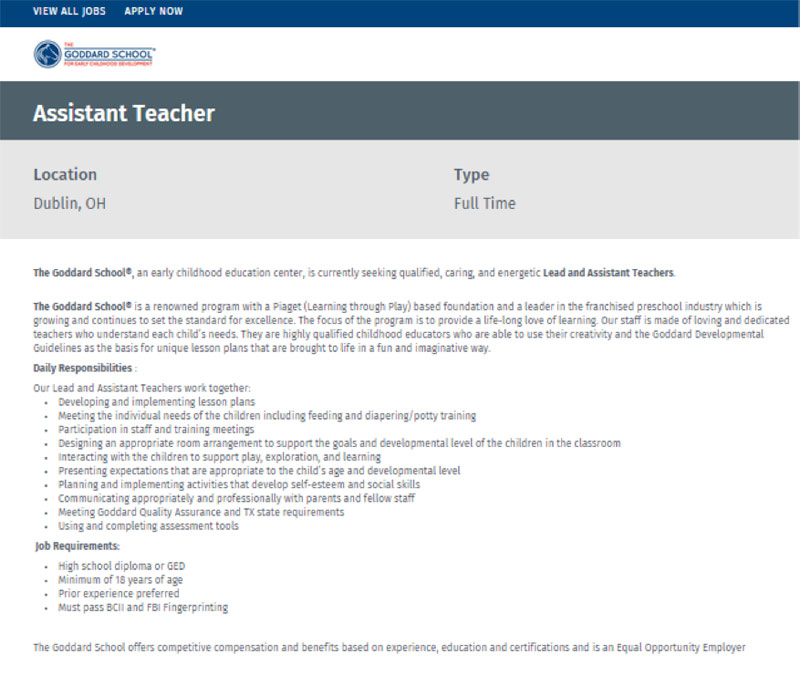
Depending on the position, 400 to 800 words should be adequate. Include the fundamental pieces of a job posting but take a more minimalist approach. Create a short and punchy overview paragraph and move right to the responsibilities and requirements.
Stick to minimum qualifications and highlight the most important skills. Try to balance what you are looking for and what applicants are searching for. Consider keywords for SEO, industry specific terms, and avoid too many clichés (strong communication skills, team player, etc).
Format it for a phone, and put the pay where they will see it
Most people will read your posting on a phone, in a queue, with a dozen other tabs open. Write for that. Put the pay range and the schedule in the first two lines, because those are the two things they are looking for and the two things they will leave over. Give the role a plain, searchable title: “HVAC Service Technician”, not “Comfort Advisor”. Keep paragraphs to two or three lines and use bullets for the day-to-day. Cut the requirements list down to what you would actually reject someone for. Logos and photos still help, and a short video helps more. Close with one clear instruction on how to apply.
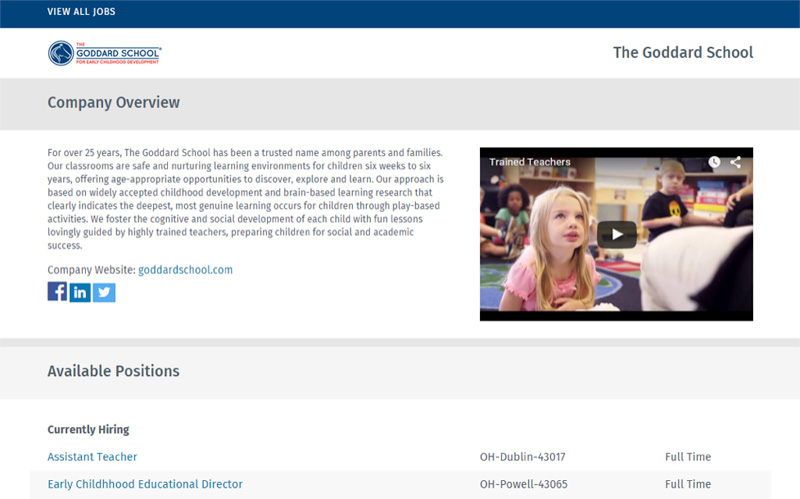
Close your job posting with clearly communicated application instructions and you will be on your way to making your next hire!
Want the full story? Download our free ebook here: How to Build a Talent Magnet
Taylor Wilson is a Dedicated Account Manager at CareerPlug.
Make the job posting easy to find and easy to act on
These days, it takes a little more thought and effort to write a job description that stands out in an oversaturated job market. Job seekers have choices. Your job posting is the first impression that they’ll use as the basis for their decision to apply or not.
Gone are the days when employers could simply re-post the same old list of responsibilities and qualifications from 10 years ago. When we say employers should now aim to write an “effective job posting,” we’re making a distinction that it’s a step above a standard, basic job posting.
Being easy to find starts with how job boards match postings to searches. Indeed matches your job description and location to what job seekers are searching for, so use the title people actually type, name the city or neighborhood rather than a broad region, and use the role’s core terms naturally in the first paragraph. If you hire for several locations, post each one separately with its own address instead of one listing that covers them all. CareerPlug posts to 100+ job boards from one place, but the posting itself still has to match what people search for.
With a basic job posting, you can expect to get applicants, but you may be missing out on the applicants who are more discerning about where they apply – and often, these are the highest-quality candidates.
An effective job posting, on the other hand, is one that is attractive to job seekers and quickly drives them to apply to it.
The specifics around how many applicants an effective job posting brings in varies depending on your industry. For example, in our annual Recruiting Metrics Report, we found that in the automotive industry, the average job gets around 34 applicants. A typical job posting in the cleaning services industry gets almost double that, around 66 applicants per job.
To help determine if a job posting is effective or not for your industry, it can be helpful to look at industry benchmarks and your own averages. Plus, we like to remind employers that when it comes to applicant flow, quality is more important than quantity, and a big benefit of effective job descriptions is that they can help you bring in more quality candidates.
Let’s take a closer look at how this works and some of the other benefits of writing strong job postings.
Frequently asked questions about job description optimization
How long should a job description be?
For most hourly and frontline roles, 400 to 800 words is plenty, and shorter is fine if the essentials are there. On job boards, length matters less than what shows up first: Indeed’s posting rules ask for an accurate job title and pay details, and those are what a job seeker scans before deciding whether to keep reading, so the title, pay, schedule and location belong up top. After that, every line should help someone decide whether to apply. If it wouldn’t change their mind, cut it.
What makes a job posting look more attractive to job seekers?
- Use bullets and headers to break up longer blocks of text.
- Don’t forget about imagery and graphics: Logos, company photos, and graphics can make a job posting stand out.
- Organization and a neat format will not be overlooked!
Recruitment videos can be a great resource. The average job seeker will pay more attention – about a minute – to a branded job posting, and more time looking at a job posting that includes a recruitment video.
Turn This Guidance Into a Repeatable Hiring Process
Ready to turn these recommendations into a repeatable hiring process? CareerPlug gives your team the tools to put this job description optimization guidance into action without adding more administrative work.
Book a CareerPlug demo